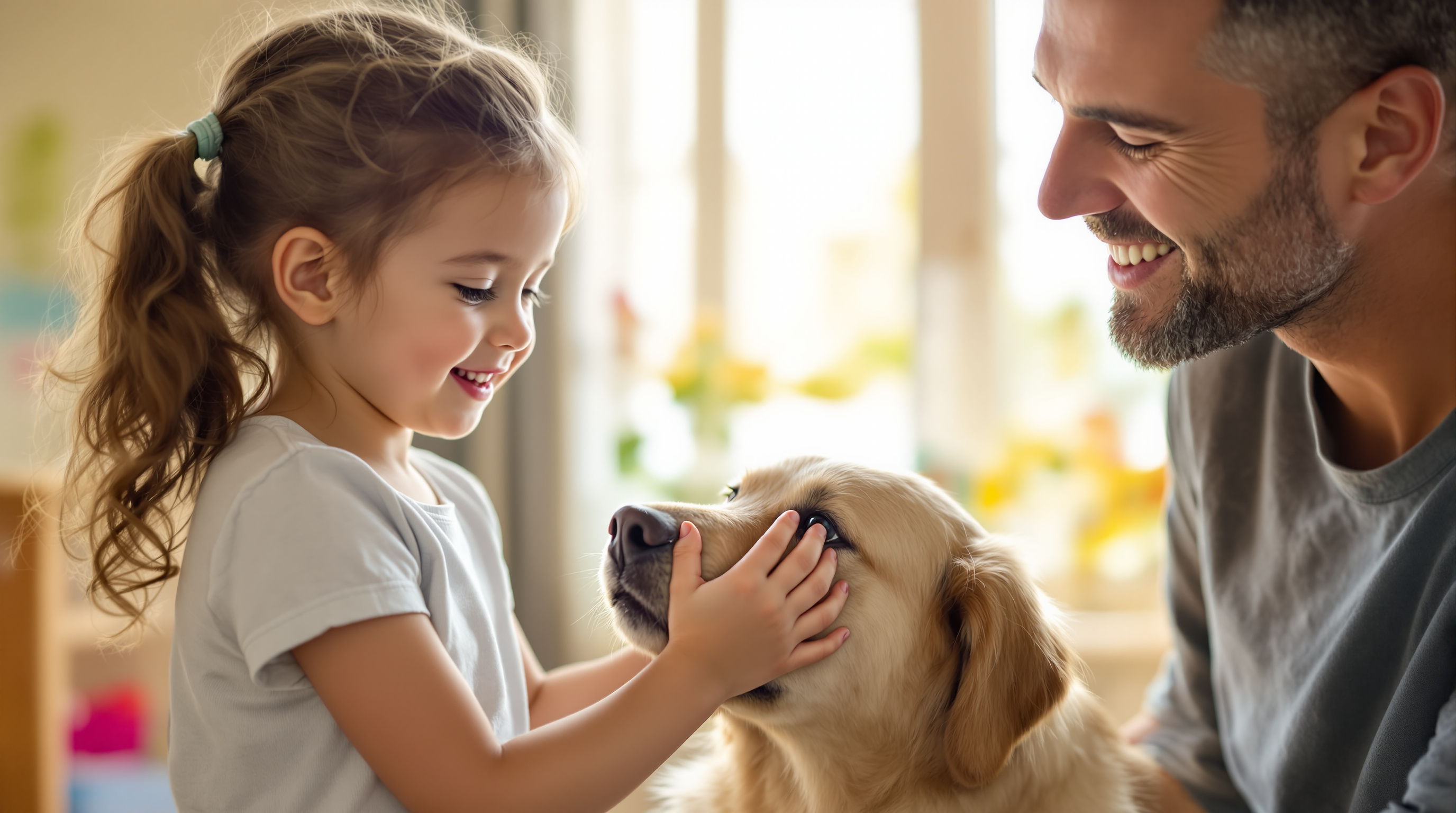
Humane education is the quiet work of teaching people — especially children — to treat animals with kindness, empathy, and respect. It is one of the most powerful tools we have for preventing cruelty, because the attitudes we form early tend to last a lifetime. A child who learns to see an animal as a feeling being, deserving of care, grows into an adult who protects rather than harms.
Why It Matters
Research in child development and psychology has long linked early empathy toward animals with broader kindness toward people. Teaching respect for all creatures is not a soft add-on; it helps children build emotional intelligence, responsibility, and self-control. It also breaks cycles — children who witness or practice cruelty can, with guidance, learn a different way. National organizations such as Humane World for Animals build entire curricula around this idea, and the ASPCA has been at the forefront of animal protection since 1866.
Teaching Kindness at Home
Parents are a child's first humane educators. You do not need special training — you need everyday moments and a little intention:
- Model gentle handling. Show children how to approach, pet, and give animals space. Narrate what the animal might be feeling.
- Read body language together. Teach the signs that a dog or cat wants to be left alone — a turned head, a tucked tail, flattened ears — so kindness includes respecting boundaries.
- Share age-appropriate chores. Filling a water bowl or helping brush a pet builds responsibility, with an adult always ultimately in charge of the animal's care.
- Choose good stories. Books and films about animals spark conversations about empathy, loss, and responsibility.
In the Classroom and Community
Teachers can weave humane themes into reading, science, and social studies. Many shelters and welfare groups offer classroom visits, presentations, and reading programs where children read aloud to calm shelter animals — a practice that builds literacy and compassion at once. Scout troops, 4-H clubs, and youth groups can take on animal-welfare service projects, from making blankets for a shelter to running a pet-food drive.
Respecting Wildlife and All Animals
Humane education reaches beyond dogs and cats. Teaching children to observe wildlife without disturbing it, to protect habitats, and to treat every creature — from a classroom hamster to a backyard bird — with the same basic respect widens the circle of compassion. In our region, that includes understanding native prairie and river wildlife and giving it room to thrive.
A Ripple Effect
Every child who learns kindness becomes a future adopter, voter, neighbor, and parent who carries that kindness forward. Humane education is how a community decides, one lesson at a time, that the way we treat the vulnerable matters. Pair this with our guide to recognizing and reporting abuse and neglect so the next generation knows both how to be kind and how to speak up.
Frequently Asked Questions
At what age should children learn to be gentle with animals?
As early as possible. Even toddlers can learn, with supervision, to pet gently and give animals space. Narrating what an animal might be feeling builds empathy from the start.
How can teachers bring humane themes into the classroom?
Weave them into reading, science, and social studies, and invite local shelters to offer presentations or reading-to-animals programs that build literacy and compassion together.