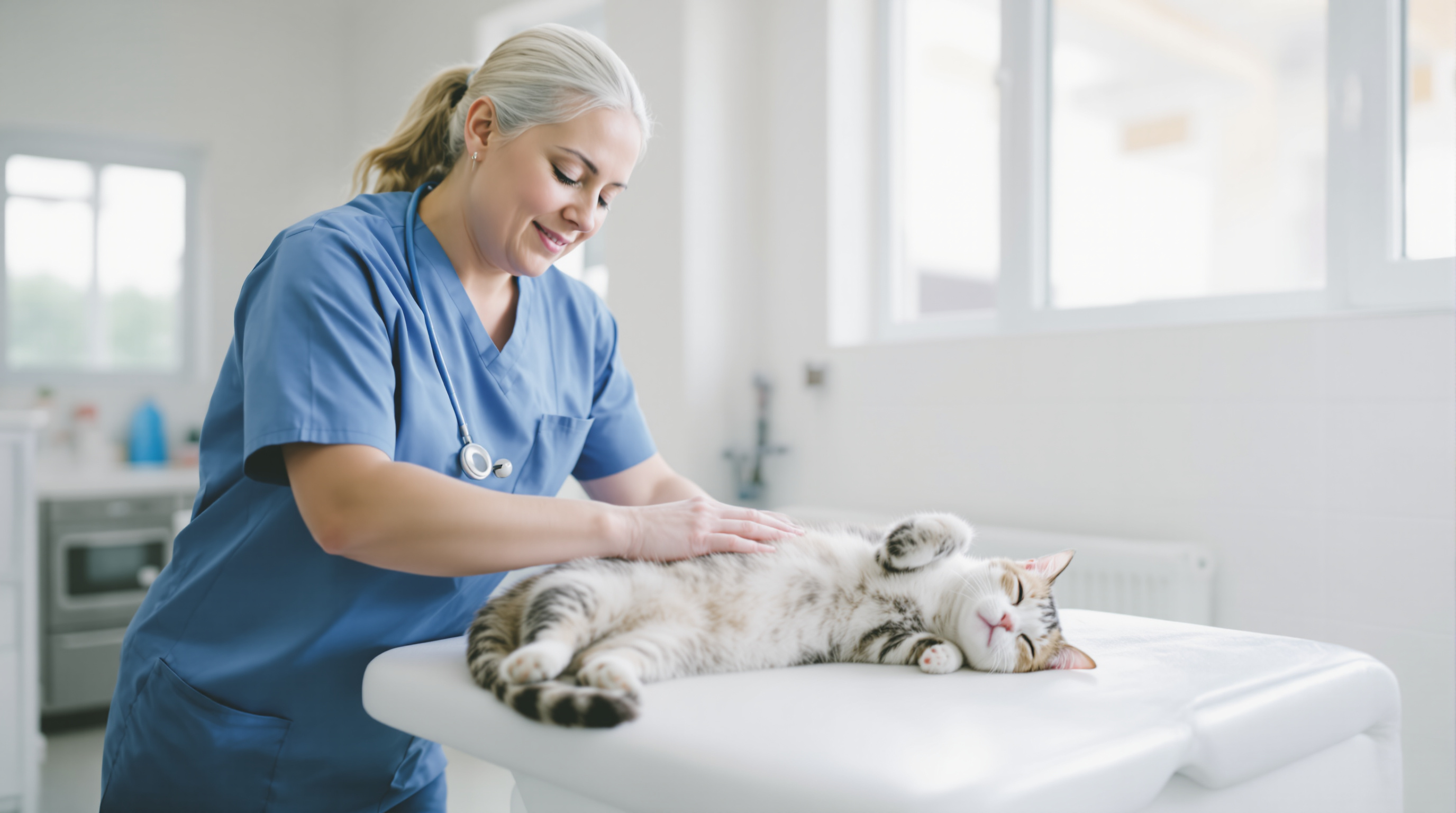
Spaying and neutering — the routine surgeries that prevent animals from reproducing — are among the most important decisions a responsible pet owner can make. They protect your pet's health, smooth out difficult behaviors, and address the root cause of pet overpopulation: too many animals and not enough homes. This guide explains the benefits and points you toward affordable help.
The Overpopulation Problem
Every year, shelters take in millions of dogs and cats, and far too many never find homes. A single unspayed cat and her offspring can produce a staggering number of kittens in just a few years. Spaying and neutering is the humane, effective way to shrink that flood at its source — which is why nearly every shelter alters its animals before adoption. Fewer unplanned litters means fewer animals in shelters and more second chances for those already waiting.
The ASPCA's national shelter statistics put that scale in perspective: 5.8 million dogs and cats entered U.S. shelters and rescues in 2025. In that national intake, 59% arrived as strays and 30% were surrendered by owners. These categories describe how animals entered care, rather than a single cause for every arrival. Shelter Animals Count also reports that 674,000 kittens entered shelters and rescues nationally during the first half of 2026. Its emphasis on foster recruitment, neonatal kitten programs and community support shows why prevention belongs alongside help for animals already in care. These are national figures, not a count for Grand Forks.
Health Benefits
The medical case is strong. According to the ASPCA and the American Veterinary Medical Association, spaying females before their first heat greatly reduces the risk of mammary tumors and eliminates the risk of uterine infections and cancers. Neutering males prevents testicular cancer and reduces prostate problems. Altered pets often live longer, healthier lives.
Behavior Benefits
Spay/neuter can also make for a calmer companion. Neutered males are typically less driven to roam in search of a mate — a major cause of pets getting lost, hit by cars, or into fights — and often show less marking and mounting. Spayed females avoid the yowling, restlessness, and mess of heat cycles. These are not personality changes; your pet stays fully themselves, minus some hormone-driven stress.
Common Myths
- "It will make my pet fat and lazy." Weight comes from too much food and too little exercise, not from surgery.
- "A female should have one litter first." There is no health benefit to this, and it adds to overpopulation.
- "It's better to let kids witness the miracle of birth." There are gentler, more responsible ways to teach children about life — and shelters are full of the results of unplanned litters.
Finding Low-Cost Help
Cost should never be the reason a pet goes unaltered. Many communities offer low-cost or subsidized spay/neuter through humane societies, nonprofit clinics, and voucher programs. Ask your veterinarian, contact area shelters and rescues, and search national directories of low-cost clinics by ZIP code. In our region, seasonal clinics and assistance funds appear throughout the year — a quick call to local animal-welfare groups is the fastest way to find current options. Combine this with the rest of your care plan in our guide to responsible pet ownership.
Frequently Asked Questions
Will spaying or neutering change my pet's personality?
No. Your pet stays fully themselves. You simply remove some hormone-driven stresses — roaming, marking, and heat cycles — that can lead to lost pets, fights, and injuries.
Should my female pet have one litter first?
There is no health benefit to letting a pet have a litter first, and it adds to overpopulation. Spaying before the first heat actually lowers certain cancer risks.
What if I can't afford the surgery?
Cost should never be the barrier. Many humane societies, nonprofit clinics, and voucher programs offer low-cost or subsidized spay/neuter — ask your vet and area shelters about current options.